


The Middle Tennessee Summer Moving Guide: How to Beat the Heat and Protect Your Assets
The Reality of June Moving in Nashville
Nashville in June is not a background condition. It is an active variable that changes how your move needs to be planned, executed, and staffed. The numbers this summer are not abstract: average high temperatures of 96.8°F, relative humidity tracking between 66% and 76%, and a heat index that pushes the felt temperature to 105°F or higher during peak afternoon hours. As of this week, the National Weather Service has issued an active Heat Advisory for Davidson County with heat index values expected to reach 105°F.
That is the environment your furniture, your electronics, your crew, and your hardwood floors are operating in on moving day. It requires a plan — not just people and a truck.
There is a second layer to this that most people do not account for: the Urban Heat Island Effect. Nashville's densely built core — Downtown, Midtown, the Gulch, and 12 South — absorbs and radiates solar heat at a rate that can push asphalt surface temperatures 20–40°F above the already elevated ambient air temperature. A loading zone on a Midtown street at 11am in June is not 96°F. It is over 115°F at ground level. The moisture in the humid air absorbs that radiant heat and holds it, which is why Nashville's summer heat is a full-body experience, not just a number on a thermometer.
A summer move in Middle Tennessee is a logistics problem before it is a physical one. The households that execute it cleanly are the ones who treat the heat as a planning variable, not an inconvenience.
How Does Middle Tennessee Humidity Affect Heat-Sensitive Household Items?
The interior of a non-ventilated metal truck bed or standard moving container in June Nashville is not a passive storage environment. It is an active threat to specific categories of household goods. Here is what happens to your belongings when they sit in unmitigated heat and humidity — and how a professional operation prevents it.
Leather and Solid Wood Furniture: Nashville's sustained humidity — averaging 73% in June — creates conditions where moisture migrates into porous materials without any visible warning. Solid wood expands as it absorbs ambient moisture, causing drawer joints to bind, cabinet doors to warp, and table surfaces to cup. Leather absorbs moisture at the surface level and, when trapped inside a hot truck cab with no airflow, can begin activating mold spores within hours of exposure to temperatures above 80°F in sustained humidity. Antique and heirloom wood pieces — which lack the moisture-resistant sealants applied to modern furniture — are the most vulnerable. A piece that has survived 100 years in a climate-controlled home can be meaningfully damaged in a four-hour unventilated truck ride on a Nashville June afternoon.
Electronics and Plastics: Consumer electronics have operating temperature ratings for a reason. Most are rated to a maximum of 95°F — which means the interior of a truck cab sitting in direct sun on a Nashville summer afternoon exceeds safe operating temperature before you have loaded the first box. Internal components — capacitors, solder joints, delicate wiring — are susceptible to heat-induced structural degradation over prolonged staging periods. Vinyl records warp permanently at temperatures above 140°F, which a dark truck interior in direct summer sun achieves faster than most people expect. Plastic housings on televisions, monitors, and appliances can deform under sustained radiant heat.
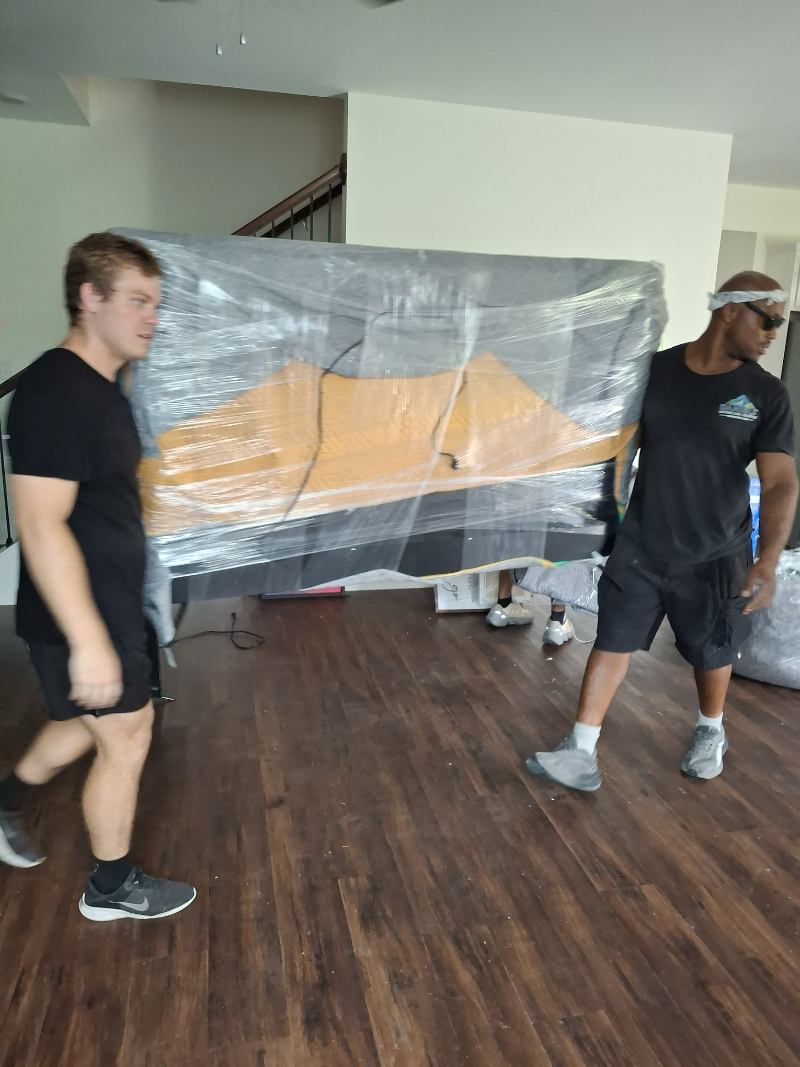
Logistics Solution — First-In, Last-Out and Climate-Stable Wrapping: Professional summer moving operations address heat exposure through sequencing and insulation. Heat-sensitive items are loaded last on the truck — which means they are the first items unloaded and the first items moved into climate-controlled environments at the destination. This minimizes their total time in the truck. Multi-layer wrapping — moving blanket plus shrink wrap — creates an insulating barrier that slows the rate of heat transfer to furniture surfaces and provides a moisture buffer for porous materials. It is not perfect climate control. But it is the difference between a well-managed exposure window and unmitigated heat damage over a two-hour transit.
What Is the Ideal Timeline for an Efficient Summer Move in Davidson or Williamson County?
The single most effective thing you can do to protect your belongings and your crew during a Nashville summer move is start earlier than feels necessary. Here is the chronological sequence that professional moving operations use for peak-season moves in Middle Tennessee:
- 7:30 AM — Crew assembly and equipment check. Truck inspection, floor runners loaded, door jamb protectors staged. Pre-move confirmation with the homeowner. HOA gate codes verified, elevator reservations confirmed. Crew hydration begins here, not at the first sign of fatigue.
- 8:00 AM – 9:00 AM — Early Loading Window. This is the lowest diurnal temperature window of the day — typically 68°F to 72°F with manageable humidity before the day's moisture builds. Heavy furniture, appliances, and large case pieces load during this window. Physical exertion at tolerable temperatures, maximum efficiency per labor hour. HOA gate codes confirmed, elevator reservations verified, parking logistics locked.
- 9:00 AM – 12:00 PM — Heavy Staging and Transit. The primary work window before heat becomes a serious crew safety concern. All major furniture systems fully loaded and secured. Transit to the destination property initiated. For Williamson County moves — Franklin, Brentwood, Spring Hill — this window covers the I-65 corridor before midday traffic compounds the timeline. HOA move-in windows in communities like Westhaven and McKay's Mill typically open at 7am and close at 6pm — confirm in advance and start within the first hour of availability.
- 12:00 PM – 1:00 PM — Crew rotation and mandatory hydration break. Direct solar exposure peaks between 11am and 3pm in Nashville June. Crew members transition to interior staging and shadow work — box placement, furniture assembly, interior precision tasks — during this window. No crew member in direct sun for more than 20 consecutive minutes without a shadow rotation. Electrolyte fluid loading, not just water. Muscle cramping from salt depletion is the most common heat-related issue on summer moves and is entirely preventable.
- 1:00 PM – 3:00 PM — Interior Unloading and Precision Placement. The destination property's HVAC is running before the crew arrives. Unloading proceeds room by room with crew rotating between truck and interior work. The truck interior reaches its highest temperature of the day during this window — minimize time inside the truck cab and maximize time in the climate-controlled interior. This is the window for careful furniture placement, box staging by room, and detail work that benefits from HVAC cooling.
- 3:00 PM – Completion — Final placement, reassembly, and walkthrough. Temperatures begin to moderate after 3pm. Remaining boxes organized by room, furniture assembly completed, crew walkthrough with homeowner to confirm all items accounted for and placed correctly. Neoprene runners and protective materials collected and removed.
Every hour past 11am in Nashville June costs you energy, efficiency, and asset safety. The households that start at 8am finish before the heat becomes a logistics problem. The ones that start at 10am are managing heat and fatigue simultaneously by noon.
What Safety Protocols Prevent Heat-Related Delays During a Local Relocation?
Heat-related delays are the most common cause of summer move overruns in Middle Tennessee. A crew member experiencing heat exhaustion does not push through it — they stop, and the move stops with them. The following protocols are what professional operations use to prevent that outcome entirely.
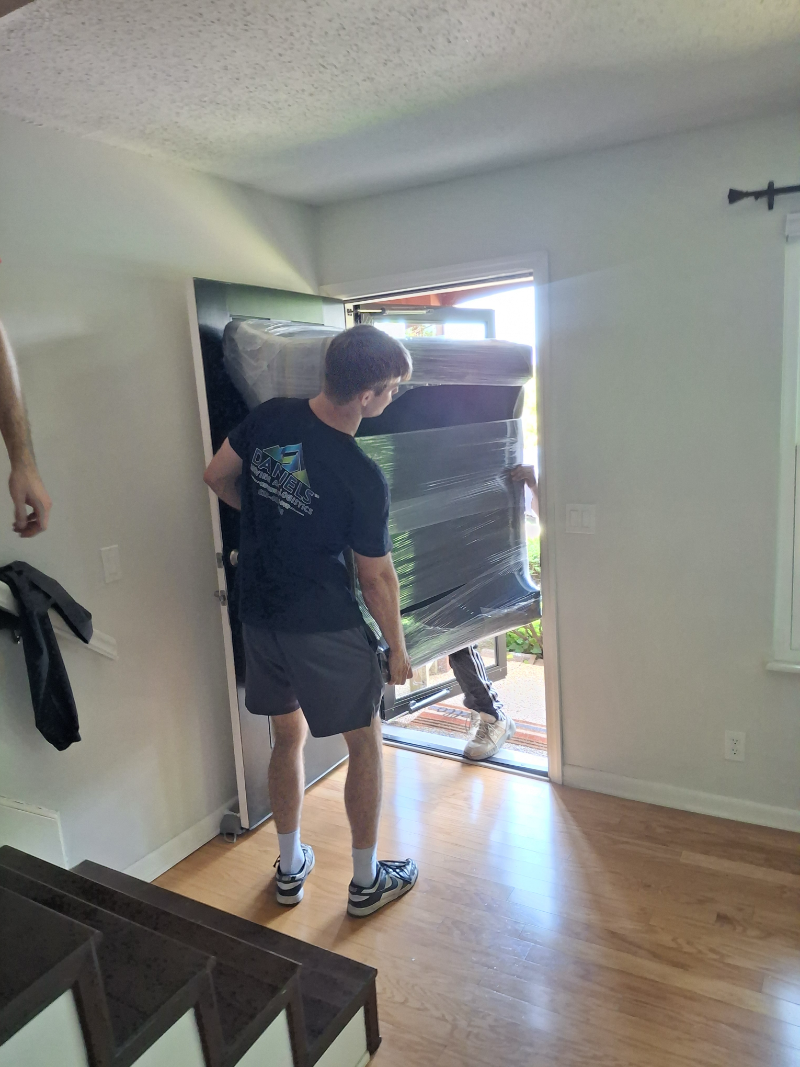
Property Protection: Rubber-backed neoprene floor runners laid across every hardwood surface along the movement path before the first item enters the home. This is not only about protecting the floor from furniture contact — it is about managing sweat and high-traffic summer dirt that a moving crew tracks in from outdoor conditions. In June Nashville, crew members are perspiring heavily within the first hour. Neoprene runners prevent sweat transfer and grit contamination from reaching polished Nashville hardwood floors that your client spent real money to install or refinish. Door jamb protectors at every entry point prevent contact damage from furniture edges regardless of how careful the carry. These are not optional comfort measures — they are the standard that separates a professional summer move from a DIY operation that leaves marks on the first day.
Crew Welfare — The Buddy System and Hydration Protocol: Every crew member on a Nashville summer move operates under a buddy system. No one works alone in direct solar exposure. The buddy system serves two functions: operational safety (a crew member showing signs of heat stress is identified before it becomes a medical event) and efficiency (two-person carries are safer and faster, reducing the total time any single item spends in outdoor heat). Hydration staging means electrolyte drinks — not just water — are staged at both the origin and destination properties and consumed on a schedule, not on demand. Thirst is a late symptom of dehydration. By the time a crew member is thirsty in 96°F heat, they are already behind on fluid replacement. Structured intake every 20–30 minutes prevents the fatigue curve that causes errors in the afternoon.
Interior Shadow Work Rotation: Between 11am and 3pm, crew members rotate between truck work and interior placement tasks. Truck work (loading, securing, carrying from the vehicle) happens in direct sun. Interior work (furniture placement, box staging, assembly) happens in climate-controlled environments. Rotating crew members through both tasks maintains energy levels and prevents the sustained solar exposure that triggers heat exhaustion. A professional crew manages this rotation without the homeowner needing to ask — it is built into the workflow, not improvised when someone starts to struggle.
Why a Professional Fleet Outperforms a DIY Rental in Nashville Summer
A 26-foot commercial box truck operated by a professional moving company is not the same vehicle as a rental truck from a consumer fleet. Here is the difference that matters on a Nashville June move: Professional commercial trucks run maintained HVAC systems in the cab and ventilated cargo areas that moderate internal temperatures during transit. Consumer rental trucks — particularly older fleet units — frequently have marginal air conditioning, minimal insulation in the cargo compartment, and no ventilation system between the cab and the cargo area. Interior cargo temperatures in an unventilated rental truck sitting in Nashville summer sun can exceed 140°F within 20 minutes. That is the temperature at which vinyl records warp, electronics degrade, and candles and wax-finished furniture sustain visible damage. Beyond temperature: a professional moving fleet is maintained on a scheduled service cycle. Brake systems, lift gates, and loading ramps on a professional truck are inspected and serviced. Consumer rental fleets cycle equipment between locations without guaranteed maintenance intervals. On a 100°F Nashville moving day, the last thing you need is a lift gate that fails mid-unload or an air conditioning system that quits at 11am.
Daniel's Moving and Logistics: Middle Tennessee Summer Service Coverage
This table maps our active service lines across Middle Tennessee's primary summer moving markets. For Google Maps and local search verification:
|
Service Area |
County |
Services Available |
Summer Availability |
|
Nashville (All Zones) |
Davidson |
All Services |
7 Days/Week |
|
Franklin |
Williamson |
All Services |
7 Days/Week |
|
Brentwood |
Williamson |
All Services |
7 Days/Week |
|
Murfreesboro |
Rutherford |
All Services |
7 Days/Week |
|
Hendersonville |
Sumner |
All Services |
7 Days/Week |
|
Mount Juliet |
Wilson |
All Services |
7 Days/Week |
|
Spring Hill / Columbia |
Maury / Williamson |
All Services |
7 Days/Week |
|
Gallatin / Goodlettsville |
Sumner / Davidson |
All Services |
7 Days/Week |
|
Out-of-State Arrivals |
All Counties |
All Services |
7 Days/Week |
Same-day availability subject to scheduling. Call 615-481-3098 to confirm open dates during peak summer season.
Execute Your Summer Move Before the Heat Window Closes
A summer relocation in Middle Tennessee is manageable with the right timeline, the right equipment, and a crew that treats the heat as a logistics variable rather than a complaint. The households that execute cleanly in June Nashville are the ones who start at 8am, protect their floors and furniture with professional-grade equipment, rotate their crew out of direct sun, and finish by early afternoon before the heat index peaks.
The ones who struggle are the ones who planned for a move and showed up unprepared for a Nashville summer.
Daniel's Moving and Logistics operates all summer across Davidson, Williamson, Rutherford, Sumner, and Wilson counties. We schedule early-start windows, bring the full protection kit to every job, and have the crew protocols in place to execute your move efficiently even when the heat index is above 100°F. Same-day and next-day availability when your timeline shifts. One crew, one company, full accountability from loading to placement.
Peak season books fast. If your summer move date is in June, July, or August — secure your window now.
Call 615-481-3098 or visit danielsmovingandlogisticsllc.com to get your free quote and lock in your summer moving date before the peak window fills.
Frequently Asked Questions: Summer Moving in Nashville, TN
How hot does it get in Nashville in June during a move?
Nashville in June averages a high of 96.8°F with relative humidity between 66% and 76%, producing a heat index of 100°F to 105°F or higher during peak afternoon hours. In June 2026, the National Weather Service issued a Heat Advisory for Davidson County with heat index values reaching 105°F. In densely built areas like Downtown, Midtown, and the Gulch, the Urban Heat Island Effect pushes ground-level temperatures in asphalt loading zones an additional 20–40°F above ambient air temperature.
What is the best time of day to move in Nashville summer?
The best time to begin a Nashville summer move is 8:00 AM, when temperatures are at their daily low — typically 68°F to 72°F — and humidity has not yet peaked. Loading heavy furniture and completing physical transit before 11:00 AM significantly reduces heat exposure for both the crew and heat-sensitive household items. Unloading and interior placement should be scheduled for midday through early afternoon when crew can work in climate-controlled destination environments.
How does Nashville humidity damage furniture and electronics during a summer move?
Nashville's average June humidity of 73% can cause solid wood furniture to absorb moisture and warp, leather to trap surface moisture and risk mold activation, and electronics to degrade as internal components exceed their rated operating temperatures. Vinyl records warp at temperatures above 140°F, which unventilated truck interiors can reach in direct Nashville summer sun within 20 minutes. Professional summer movers use a First-In, Last-Out loading sequence for heat-sensitive items and multi-layer blanket and shrink wrap insulation to minimize exposure.
What floor protection do Nashville summer movers use?
Professional Nashville summer movers lay rubber-backed neoprene floor runners across all hardwood surfaces along the movement path before any items enter the home. In summer conditions, this prevents sweat and outdoor dirt from crew members — working in 90°F+ heat — from transferring to polished hardwood floors. Door jamb protectors are installed at every entry point to prevent contact damage from furniture corners and edges during high-traffic summer move operations.
How far in advance should I book Nashville summer movers?
Nashville summer moving season (May through August) is peak demand for professional movers across Middle Tennessee. Reputable local moving companies typically book out 3–5 weeks in advance during June and July. Same-day and next-day availability exists for urgent moves but cannot be guaranteed during peak season. To secure your preferred date and an early-start moving window, book 4–6 weeks in advance for any summer move in Davidson, Williamson, Rutherford, Sumner, or Wilson County.
Does Daniel's Moving and Logistics operate during Nashville summer heat?
Yes. Daniel's Moving and Logistics operates year-round across all of Middle Tennessee, including during peak summer heat. We schedule early-start moving windows beginning at 8:00 AM to capitalize on the lowest diurnal temperatures, use crew rotation and hydration protocols to prevent heat-related delays, and bring full property protection equipment — including neoprene floor runners, door jamb protectors, and multi-layer furniture wrapping — to every summer move. Call 615-481-3098 to check availability for your summer moving date.
‹ Back
Recent Posts
-

Commercial Facility & Medical Office Relocations
September 16, 2026
-

Should You Hire Professional Packing Services in Nashville for a Large Move?
September 11, 2026
-
-
-

Getting Ready for a Long-Distance Move From Nashville
August 28, 2026