
Winter Weather Moving Protocols in Middle Tennessee: Protecting Hardwood, Electronics, and Furniture in Freezing Conditions
Middle Tennessee winters don't stay cold in a predictable way. A morning that starts at 28 degrees with freezing rain can turn to mud and 45 degrees by afternoon, and a move scheduled in between has to handle all of it: slick driveways, wet boots, road salt, frozen loading ramps, and furniture that goes from a freezing truck into a heated building.
Each of those conditions can damage something. Hardwood scratches and stains, electronics pick up condensation, wood finishes and leather react to cold and moisture, and walls and door frames take the scuffs of a crew working in bad weather. This guide covers how a professional winter moving company in Nashville protects homes, offices, and belongings from the hazards of a freezing-weather move.
The Hidden Hazards of Winter Relocations
Most winter moving damage comes from a few predictable sources:
- Wet tracking. Mud, slush, and road salt carried across hardwood, tile, and carpet.
- Slick surfaces. Icy driveways, steps, ramps, and liftgates that endanger crews and cargo.
- Temperature shock. Items moving from a freezing truck into a warm interior, where condensation forms.
- Moisture and salt exposure. Furniture and cartons loaded in rain, sleet, or snow.
- Brittle materials. Finishes, plastics, and leather that are more fragile at low temperatures.
An inexperienced crew treats weather as an inconvenience. A professional crew treats it as a risk to plan for, with protective materials, procedures, and equipment ready before the truck arrives.
Surface and Structural Property Protection
Neoprene Runners and Door Frame Protection
The first job on a winter move is protecting the path. Before anything is carried out or in, our crews cover the route with heavy-duty, anti-slip neoprene floor runners across hardwood, tile, and carpeted walkways. Unlike thin paper or plastic coverings, neoprene stays put under foot and cart traffic, absorbs water and mud, and keeps grit from reaching the floor surface.
Door frames and walls get attention too:
- Padded door jamb protectors guard frames from the scuffs and dings that come with moving large pieces through tight openings.
- Wall and corner protection in hallways, stairwells, and elevator entrances.
- Entrance mats and boot covers so wet or muddy footwear doesn't track into the building.
The goal is a clean path from the front door to the truck, with nothing left behind but the empty space.
Ramp and Liftgate De-Icing Protocols
A frozen ramp is a safety problem for the crew and a risk for the cargo. Before loading begins, we clear and treat our ramps and liftgates so they stay non-slip throughout the job. We use de-icing materials chosen to avoid leaving chemical residue that could be carried into a home or building, and we keep walkways and loading areas clear as the weather changes during the day.
Where a delivery needs it, we use covered ramps and keep surfaces dry, so wet conditions don't turn into a slip hazard or a damaged item.
Asset Preservation: Electronics, Hardwood, and Fabrics
Thermal Protection for Electronics
Electronics are among the most vulnerable items in a winter move. When cold equipment is brought into a warm room, moisture in the air condenses on its surfaces, including inside the housing, and that moisture can damage components if the device is powered on too soon.
Our protocol for servers, computers, monitors, TVs, and other sensitive electronics:
- Anti-static wrapping to protect against static discharge in dry winter air.
- Padded blankets over the wrap, which slow temperature change and cushion against impact.
- Loading away from the truck's walls and door, where temperatures are lowest.
- Acclimation time at the destination. Equipment stays wrapped and powered off until it reaches room temperature, which can take several hours for larger pieces.
For commercial moves, we coordinate this with your IT team so equipment isn't powered up until it's safe to do so.
Wood Finishes and Leather
Solid wood and leather furniture react to the conditions of a winter move. Cold can make finishes brittle, and moisture and road salt can stain or damage them.
Our approach:
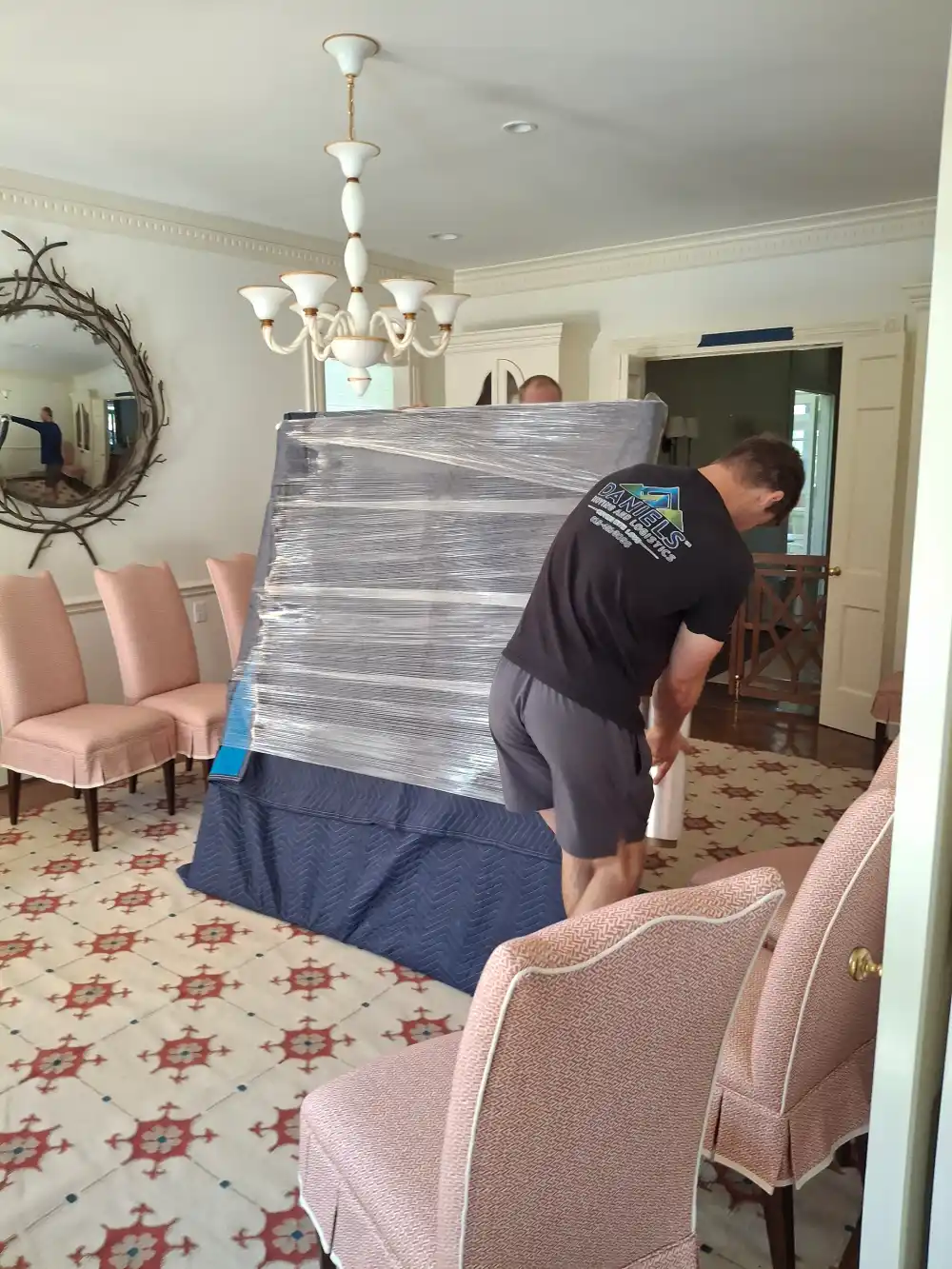
- Heavy-duty moving blankets wrapped directly against wood finishes and leather, for padding and moisture absorption.
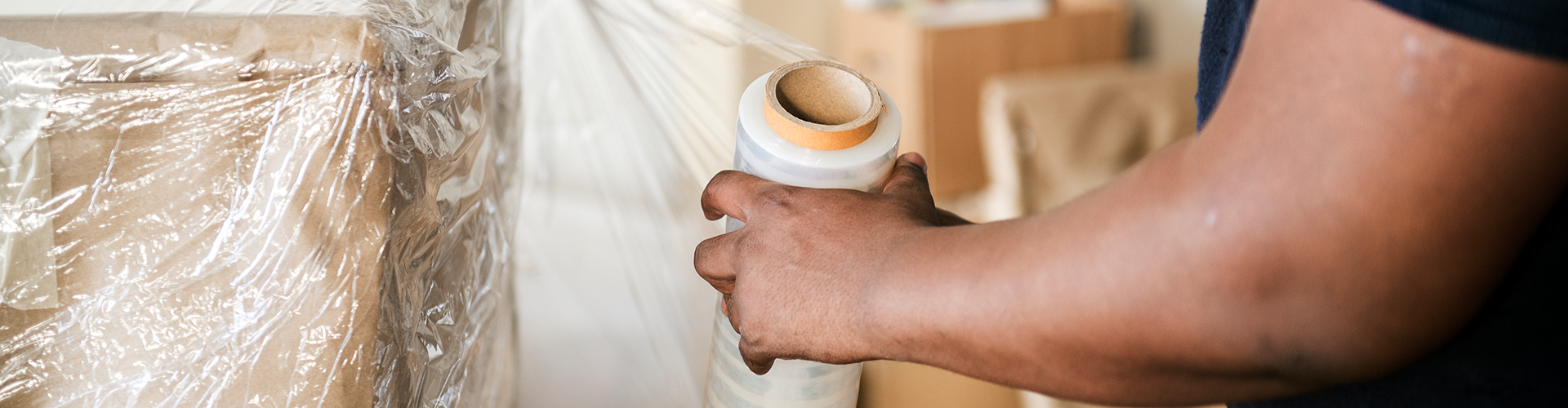
- Stretch wrap over the blanket, never plastic directly on a finish, which can trap moisture or mark the surface.
- Corner and edge protection on tabletops, headboards, and case goods.
- Careful handling of leather, which is stiffer in cold and more likely to crack or scuff if it's flexed or dragged.
- Dry, covered staging at the destination, so furniture doesn't sit on a wet driveway or porch between the truck and the door.
Hardwood Floors
Hardwood is the surface most at risk in a winter move: grit scratches it, water marks it, and salt can leave a haze. Runners go down first, carts and dollies are cleaned before use inside, and furniture is lifted rather than slid. For protecting hardwood floors during a move, the rule is simple. Nothing wet, gritty, or heavy touches the floor without a barrier.
Winter Move Protection Checklist
Use this list before a cold-weather move:
Winter Office Relocations
Cold-weather office moves come with the same protection standards and a few additional requirements. Lobbies and corridors need runners from the entrance to the elevator, freight elevators need padding, and IT equipment needs an acclimation plan before systems are brought back online. Many companies schedule winter moves over weekends or holiday weeks, when buildings are quiet and the weather affects fewer people. We coordinate with building management on dock access, elevator times, and insurance requirements, so the move proceeds on schedule even when the weather doesn't cooperate.
Serving Middle Tennessee in Every Season
We move homeowners, renters, and businesses across Davidson and Williamson counties and the surrounding area, including Nashville, Brentwood, Franklin, Hendersonville, and Murfreesboro. Whether you're moving across the city or across the state, we plan for the weather on both ends of the move.
Frequently Asked Questions
Can you move in freezing rain or snow?
Often, yes. Light snow and cold temperatures don't stop a professional move, and we plan the job with the right protection. Heavy ice or dangerous road conditions can make a move unsafe, and in that case we work with you to reschedule so people and belongings stay protected.
How do you protect hardwood floors during a winter move?
We cover the path with anti-slip neoprene runners, protect door frames, keep carts and dollies clean, and lift furniture instead of sliding it. Wet or muddy footwear is covered or kept off the floor.
Can cold weather damage electronics during a move?
It can, mainly through condensation when cold equipment is brought into a warm room. We wrap electronics in anti-static material and padded blankets, and we recommend letting equipment reach room temperature before you power it on.
Is it harder to move furniture in cold weather?
It takes more care. Finishes and leather are more fragile in the cold, and moisture and road salt are more of a risk. Proper blanket wrapping, dry staging, and careful handling keep furniture in good condition.
Schedule Your Winter Move
Cold-weather moves go better with a plan made ahead of time. Homeowners, renters, office managers, and property managers across Middle Tennessee can request a winter moving quote and we'll review your schedule, locations, and any items that need special care. To learn more about our winter moving company in Nashville services, including commercial relocations, visit our service page.
Moving with Love means your floors stay clean, your belongings arrive in the condition they left, and the weather never becomes your problem.
‹ Back
Recent Posts
-
-
-
How Nashville Movers Keep Multi-Stop Moves Organized
November 6, 2026
-
-